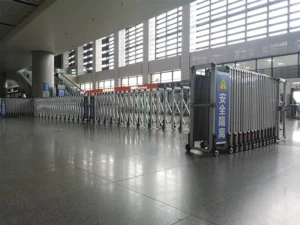
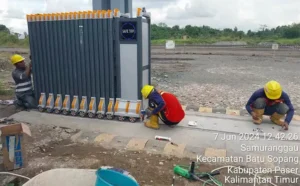
A Technical Buyer’s Guide to Cantilever Gates: Practical Insights and Selection Criteria
Moving Beyond Traditional Gates
1. The Physics of Suspension: How It Works
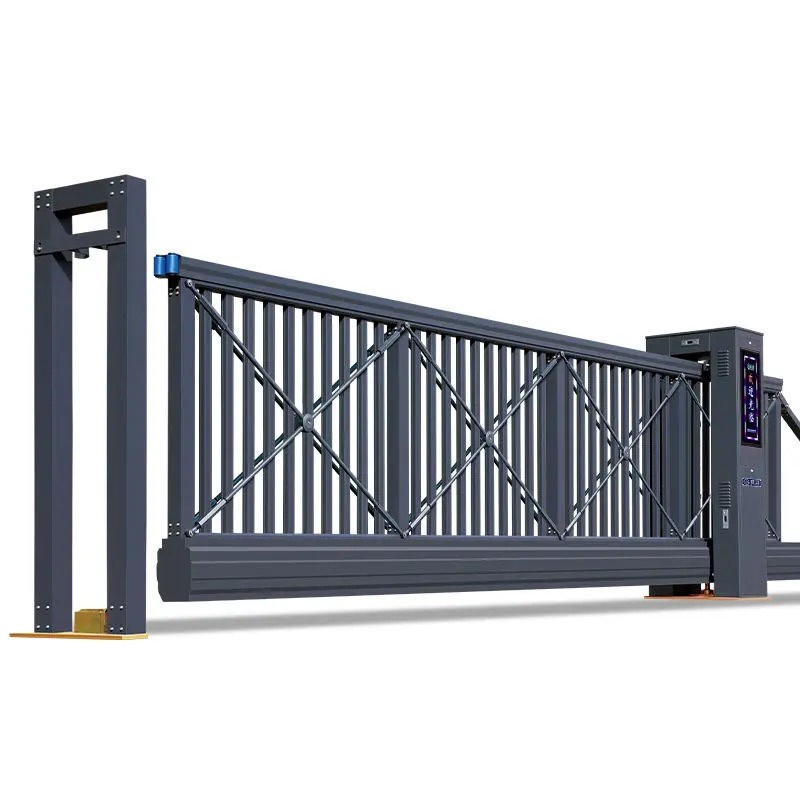
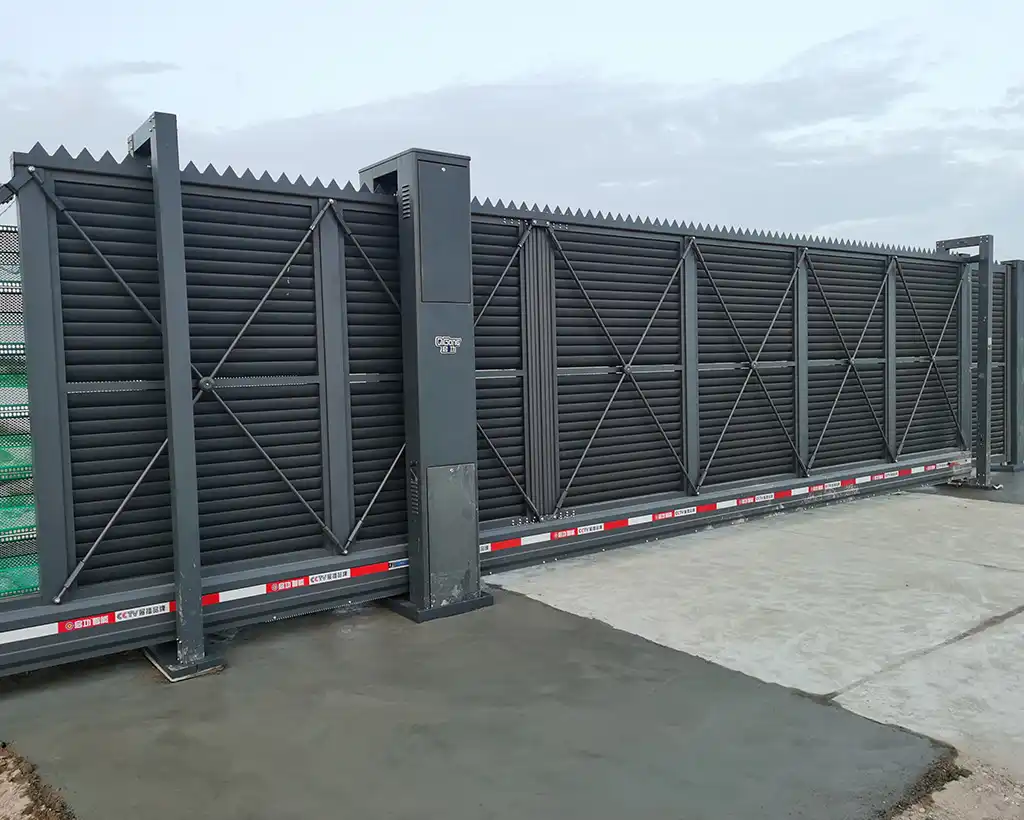
The defining feature of a cantilever gate is its lack of a ground track. It operates on a balanced lever principle:
The Counterbalance: To remain suspended across a driveway, the gate must be significantly longer than the actual opening. Typically, an additional 30% to 40% of the gate’s length acts as a tail-end counterbalance.
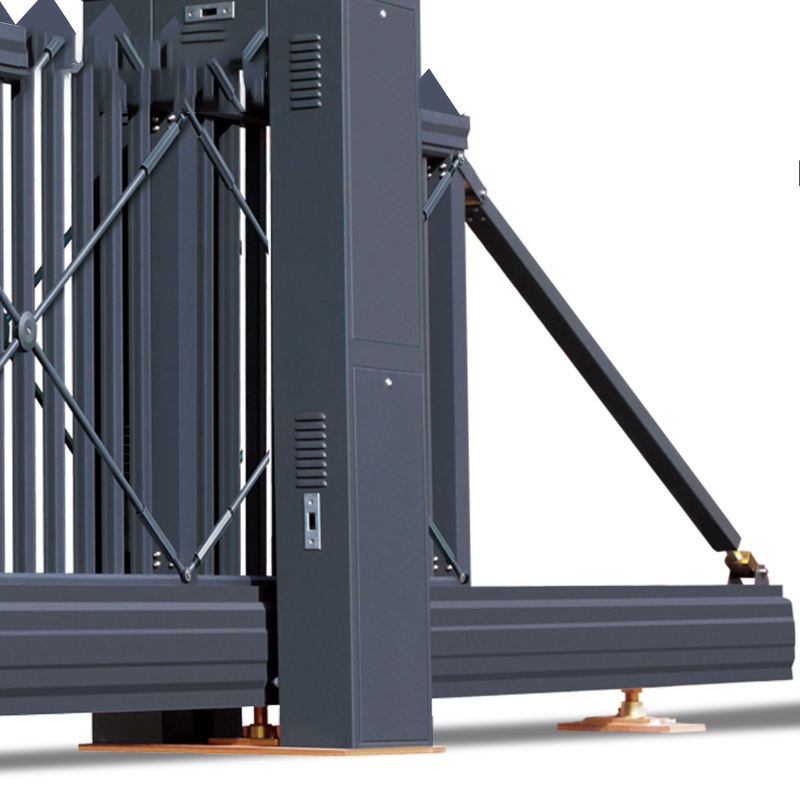
The Carriage System: The entire weight of the gate is supported by two heavy-duty carriage blocks (roller sets) anchored to a massive concrete foundation on one side.
Structural Integrity: Because the gate is unsupported at the leading edge while moving, it must possess high torsional rigidity. This is where engineering matters—lower-quality gates may “sag” or dip over time, leading to alignment issues.
2. Cantilever vs. Tracked Gates: A Realistic Comparison
Before choosing a cantilever gate, it is important to compare it against the standard tracked sliding gate based on functional reality:
| Feature | Cantilever Gate (Trackless) | Tracked Sliding Gate |
|---|---|---|
| Ground Requirements | Minimal. Ideal for uneven or paved roads. | High. Requires a perfectly level, embedded steel rail. |
| Environmental Tolerance | High. Immune to snow, ice, sand, or gravel. | Low. Debris in the track causes motor strain. |
| Lateral Space Required | High. Needs extra room for the counterbalance tail. | Low. Only needs space equal to the opening width. |
| Long-term Maintenance | Low. Mainly involves checking sealed bearings. | High. Requires frequent track cleaning and rail repair. |
3. Critical Selection Criteria for Facility Managers
A. Lateral Space Availability
The most common mistake in purchasing a cantilever gate is underestimating the space required for the gate to open. If your driveway is 10 meters wide, your total gate length will be approximately 14 meters. You must ensure that the side fence line has a clear, unobstructed path for this entire length.
B. Foundation Engineering
While you save on ground track installation, you must invest more in the support foundation. The concrete pad holding the carriage blocks must be deep and reinforced with steel. This foundation acts as the “anchor” for the entire system’s leverage. In areas with soft soil, this foundation must be engineered to prevent the gate from leaning after a few years of use.
C. Weight-to-Motor Calibration
A cantilever gate is inherently heavier than a tracked gate due to its reinforced frame and counterbalance. It is vital to select a high-torque motor with a “soft start/soft stop” feature. This reduces the mechanical shock on the carriage wheels and extends the lifespan of the transmission gear.
4. Safety and International Standards (CE Compliance)
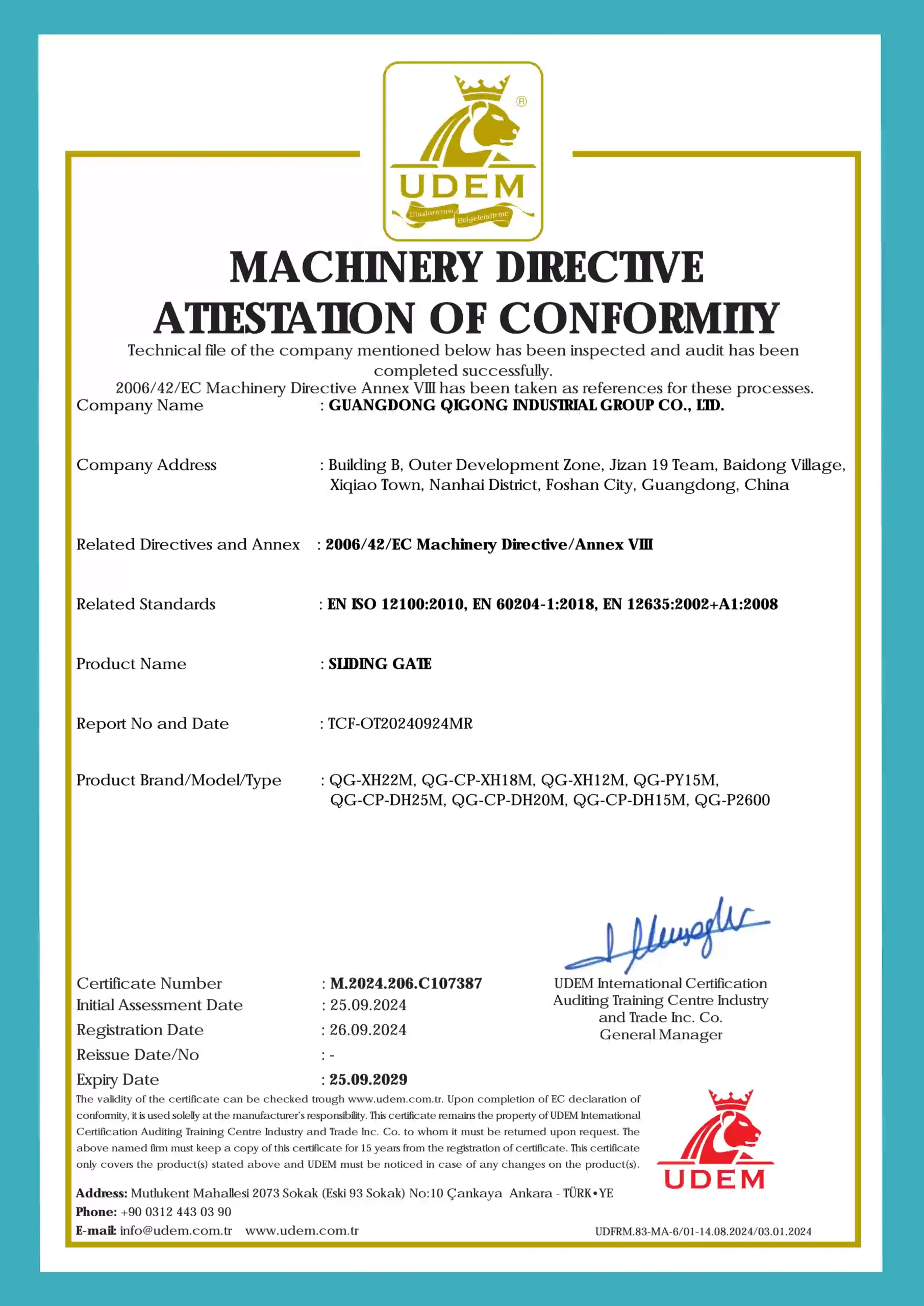
Safety in automated gates is non-negotiable. While high-level “anti-crash” certifications are necessary for high-risk military sites, CE Certification is the practical standard for 90% of industrial and commercial applications.
CE compliance ensures that the gate meets rigorous European safety directives regarding:
Mechanical Strength: The gate can withstand specified wind loads without structural failure.
Operational Safety: The system includes force-sensing technology or infrared photocells to prevent crushing injuries.
Electrical Safety: The control panel and motor are protected against surges and environmental interference.
5. Practical Maintenance: Keeping the System Running
A cantilever gate is marketed as “low maintenance,” but it is not “zero maintenance”. To make sure your cantilever gate lasts for 15 to 20 years, you should perform the following:
Check Carriage Rollers: Ensure they are free of dirt and other debris.
Inspect Bearings: They should move smoothly.
Check Guide Pocket Gap: Ensure the gate fits into this pocket perfectly when it is closed. This helps reduce stress on the rollers in the back.
Examine Foundation: Look for cracks in the concrete or any signs that it is shifting.